
How to Build a Balanced Plate
Building a balanced plate is one of the simplest ways to support healthy eating without following complicated diets. A balanced meal provides a combination of nutrients that help your body stay energized, satisfied, and properly nourished throughout the day.
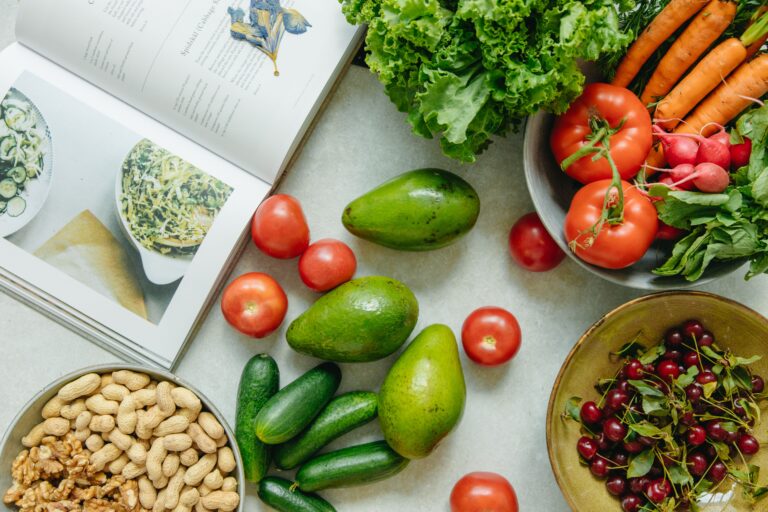
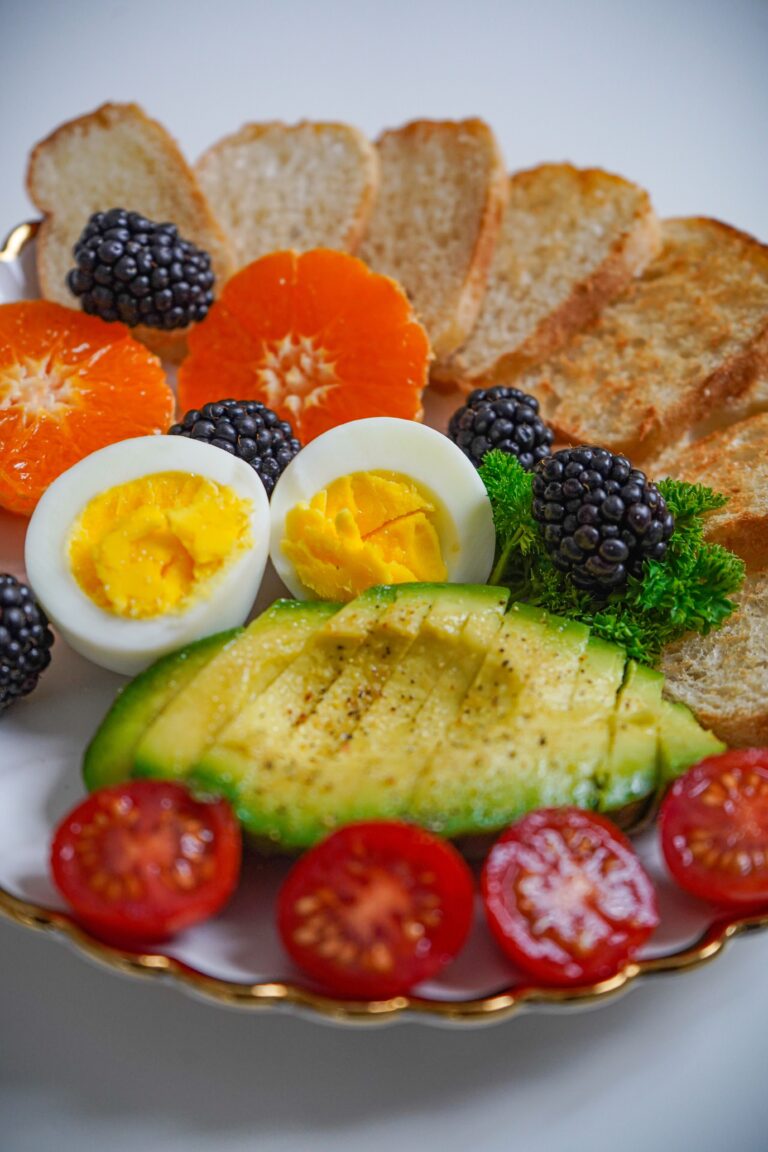
A practical approach is to divide your plate into sections. Fill about half of your plate with vegetables and fruits, which provide vitamins, minerals, fiber, and antioxidants. Choose a variety of colorful produce to enjoy a wider range of nutrients and flavors.
Reserve about one-quarter of your plate for lean protein sources. Foods such as chicken, fish, eggs, beans, lentils, tofu, and low-fat dairy products can help support muscle maintenance and keep you feeling full for longer.
The remaining quarter of your plate can include whole grains or other complex carbohydrates. Brown rice, quinoa, whole wheat pasta, oats, and sweet potatoes are examples of foods that provide steady energy and valuable fiber.
Don’t forget healthy fats. Small portions of foods like avocado, olive oil, nuts, and seeds can enhance both the flavor and nutritional value of your meals. Healthy fats also help your body absorb certain vitamins and contribute to overall well-being.
Hydration is another important part of a balanced lifestyle. Drinking water with your meals is a simple habit that supports digestion and helps maintain normal body functions. Limiting sugary drinks can also contribute to healthier eating habits.
A balanced plate doesn’t have to be perfect at every meal. The goal is to make nutritious choices most of the time while enjoying a variety of foods. Flexibility, moderation, and consistency are the keys to building healthy eating habits that can last for years.
By following these simple principles, you can create meals that are satisfying, nutritious, and easy to adapt to your personal preferences and lifestyle.